
Why Hidradenitis Suppurativa is so Difficult to Treat—and What Research is Changing
March 16, 2026
Teen Psoriasis: More Than Skin Deep During the Most Formative Years
May 18, 2026
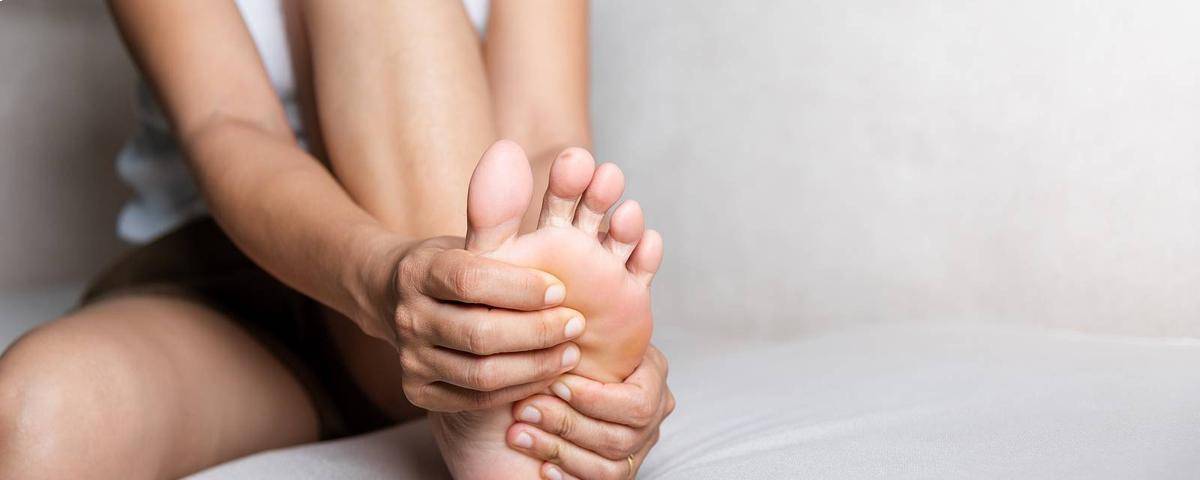
For people with palmoplantar pustulosis (PPP), even the simplest daily tasks can become painful challenges. This rare autoimmune skin condition causes intense suffering because its stinging blisters form on the skin surfaces people rely on the most: the palms of the hands and the soles of the feet. It’s exhausting to do things everyone else does without thinking: walking, standing, typing, driving, and so on. Just trying to hold a glass of water suddenly becomes an awkward and painful task.
Because these areas are in constant use, the skin rarely has a chance to heal, creating an ongoing cycle of irritation that can be difficult to break. Today, we want to discuss why palmoplantar pustulosis behaves this way, what dermatology research is uncovering, and how participating in dermatology clinical trials at Apex Clinical Research Center can lead to improved PPP treatment options and better quality of life for patients.
What Makes PPP Different From Other Skin Conditions
Palmoplantar pustulosis is a rare, inflammatory, autoimmune skin condition, and it’s considered a subtype of psoriasis. It can literally disable a person because just using the hands and feet for normal activities is so painful. Stinging blisters, often filled with opaque yellow fluid, form on the palms of the hands and soles of the feet. The skin in these areas is thicker and behaves differently than skin elsewhere on the body because it is subject to the most use, pressure, and friction. PPP causes increased sensitivity in these areas, which can become agonizing when trying to perform daily tasks. Furthermore, these blisters, or pustules, erupt, then darken and scale over, often forming painful cracks that can ooze and become infected.
What Dermatology Research Has Revealed About Palmoplantar Pustulosis
PPP is rare. So, although several PPP treatments are available to help patients find relief, researchers want to find better, faster-acting, longer-term PPP treatment options by better understanding the disease. So far, dermatology research has revealed that:
- PPP affects about 12% of the global population.
- Almost a quarter of patients with palmoplantar pustulosis also have a concurrent diagnosis of psoriasis on other body parts.
- 95% of PPP patients smoke, or have been smokers in the past, which is strong evidence that smoking can trigger PPP.
- Women are 5 times more likely to develop PPP than men.
In addition to its connection with psoriasis, PPP demonstrates a higher prevalence in people who also have the following conditions:
- Arthritis
- Diabetes
- Celiac disease
- Thyroid disorders
- Metal sensitivity or allergy
Trauma and stress have also been shown to trigger or worsen PPP flare-ups in patients, so it can be a vicious cycle just trying to get through a day with this condition.
Constant Use: Why Hands and Feet Rarely Get a Chance to Heal
The constant pressure and friction on your palms and soles for normal daily tasks make it hard to rest the skin so it can heal properly. Normal, daily activities reopen cracks and lesions, pop blisters, slow healing, and cause near constant irritation. PPP contrasts starkly with other conditions on less-used skin surfaces, which have more opportunities to rest and heal over time because you can limit their contact with other surfaces. It’s hard to do that with the soles of your feet or the palms of your hands.
Just consider that the average adult takes anywhere between 4,000 and 18,000 a day, depending on activity level, job, and lifestyle. If one averages this number to 11,000 steps per day, that’s up to 11,000 painful interactions with affected skin—every single day.
Friction and Pressure as Everyday PPP Triggers
Not only does normal daily friction on the palms of the hands and soles of the feet slow or prevent healing, but it can also trigger additional flare-ups. Whether you wear socks and shoes or go barefoot, your feet experience all the friction and pressure of just walking and standing.
As for the palms of your hands, you have to use them for everything: cooking, working, using tools, driving, using a phone, using utensils, typing… everything, all day long. This causes additional stress on the affected skin and also increases the emotional and mental stress and anxiety for PPP patients, which can further worsen symptoms. So, even the most mundane daily activities can interfere with finding relief and recovery.
PPP Treatment Challenges: Skin Thickness and Absorption
Another challenge: the palms and soles have thicker skin than other areas of the body, so this adds another barrier to effective PPP treatment. Skin on the soles and palms is about 1.5 millimeters thick, as opposed to other areas (the thinnest around the eyes at about half a millimeter). Thicker skin slows the absorption of topical therapies, lengthening the time between engaging in treatment and feeling symptom relief. Second, the continual pressure and friction on these areas also slow absorption if (and when) treatments get rubbed off during normal activity. This explains why so many palmoplantar pustulosis patients struggle to see improvement as quickly as they deserve to.
The Need to Improve PPP Treatment: Why the Cycle Is Hard to Break
The struggle to make your PPP treatment work isn't because of a lack of effort on your part. It’s just that palmoplantar pustulosis is a vicious cycle. To reiterate:
- PPP affects the most heavily used skin surfaces on the body, which are subject to frequent or constant pressure and friction.
- The skin thickness creates an additional barrier to absorption for many topical PPP treatment options.
- Your palms and soles may flare, heal partially, then become easily re-irritated, leading to another flare-up… over and over again.
Throw the understandable stress into the mix, and you can understand why effective, long-term PPP treatment is such a challenge, even when you’re doing your best to follow your dermatologist’s treatment plan.
The Role of Ongoing Dermatology Research in Improving PPP Treatment
That said, PPP treatment can bring relief with consistency and support. The treatment courses may take longer because of the location and constant use of these skin surfaces, but working with your dermatology provider allows patients to explore different approaches and adjust care as needed.
Ongoing dermatology research is also helping to expand what’s possible. Palmoplantar pustulosis clinical trials are crucial to overcoming the unique barriers that PPP patients face. By addressing challenges such as underlying autoimmune responses, pressure, friction, skin thickness, and constant use, researchers are developing more targeted PPP treatment options that can lead to improved relief and better outcomes in the future.
Apex Clinical Research Center is conducting ongoing dermatology clinical trials for PPP that focus on therapies designed to better target the underlying causes of flare-ups.
Dermatology Clinical Trials for Palmoplantar Pustulosis Treatment
If you are struggling with a stubborn PPP flare-up, don’t lose hope. Palmoplantar pustulosis is extremely challenging to manage because of where it erupts. Keep working with your dermatology provider, stay consistent with your treatment, and consider exploring new, emerging therapies by participating in dermatology clinical trials for palmoplantar pustulosis. Contact Apex Clinical Research Center today to ask about the trial, ask any questions you have, and find out if you are eligible to participate.