

When Your Skin Needs New Answers: How Dermatology Research Helps Create Them
December 10, 2025
Living With Eczema That Won’t Go Away: What to Do When Treatments Stop Working
February 11, 2026
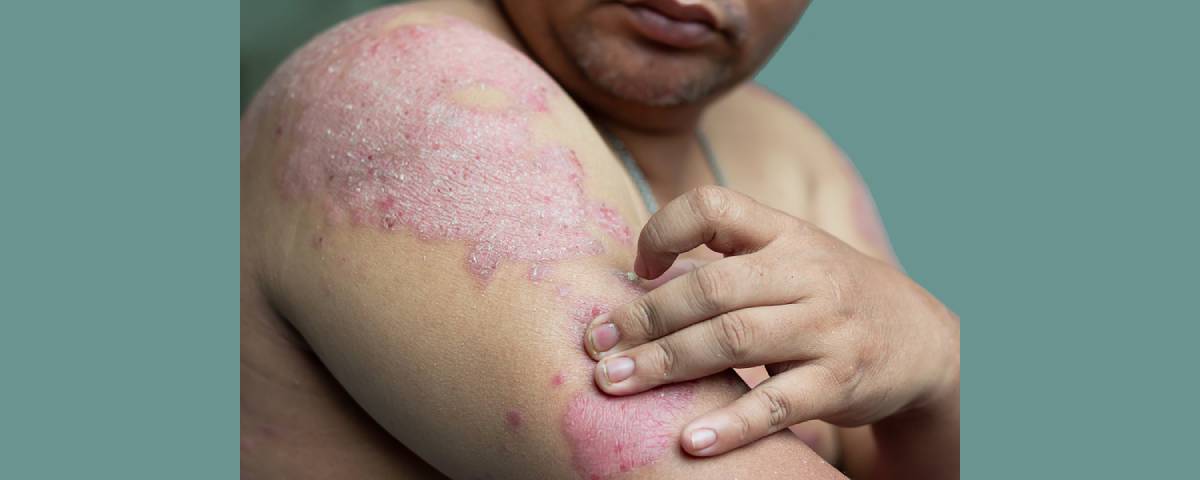
Psoriasis is often described as a skin condition, but for the nearly 8 million people in the U.S. living with it, the experience goes much deeper. Psoriasis symptoms can be constant, painful, and unpredictable—requiring daily care, ongoing moisturization, and careful management of triggers that are often impossible to avoid. Many psoriasis treatments take time to work, can be inconvenient to use, or may cause side effects that add to the challenge of living with a chronic inflammatory disease. For many patients, it can feel like psoriasis is always present—demanding attention even on “good” days.
Over time, managing psoriasis can shape nearly every part of daily life. From disrupted sleep and persistent discomfort to self-consciousness and emotional strain, many patients carry a burden that isn’t immediately visible to others. At Apex Clinical Research Center, we work closely with individuals through dermatology clinical trials and psoriasis clinical trials near me, and we hear these experiences every day. This article looks beyond what psoriasis looks like on the skin to explore the hidden symptoms patients live with—and how ongoing research is helping move psoriasis treatment options forward.
The Psoriasis Symptoms People Don’t See—but Patients Live With Every Day
For people with psoriasis, their bodies produce new skin cells too quickly. Instead of turning over skin cells over the course of a few weeks, the process accelerates to just a few days. Skin cells accumulate in thick, irritating patches called “plaques” that can build up anywhere on the body, but most often on the elbows, knees, lower back, and scalp (psoriasis scalp disease).
It’s hard to understand just how all-encompassing these psoriasis symptoms can be if you haven’t lived with it. If you have it, or have a loved one who struggles with it, you know all too well how uncomfortable and disruptive these symptoms are, often getting in the way of normal daily life:
Symptom 1: The Itch, Sting, and Burn That Disrupt Daily Life
Psoriasis can cause unrelenting discomfort in the form of persistent itchiness, stinging, and burning sensations in irritated patches of skin. This constant discomfort can make it hard to concentrate or just live a normal life like everyone else. Finding something to wear that won’t irritate the skin can be difficult. Temperature changes can also irritate: from extra itchy dryness and flare-ups during cold, dry winter weather, to sweat stinging the skin in the summer. Sleep disruptions are often the norm, as it can be so hard to fall into a restful sleep with the constant itching.
Symptom 2: Psoriasis-Related Fatigue
On top of not getting enough good sleep because of the constant skin irritation, there are extra layers of psoriasis-related fatigue. The chronic, systemic inflammation of this immune-driven skin disease drains even more energy. Patients’ immune systems are working overtime unnecessarily, which can make them feel constantly tired.
Symptom 3: The Emotional and Social Weight
Psoriasis is far more than just a cosmetic issue. Many patients feel self-conscious about their plaques, which amplifies stress, anxiety, and embarrassment in social situations and complicates their ability to form relationships. They worry about what other people will think of them because of the flaky skin and plaques. Some people wrongly think that it is contagious. Psoriasis is not contagious, but this perception adds a layer of social stigma that many patients have had to encounter, sadly. Because of this, patients worry that people think they are “dirty” or not taking care of personal hygiene, when that isn’t true at all. Psoriasis patients typically spend far more time, effort, and money on personal hygiene than their unaffected friends and family.
Symptom 4: Impact on Routine Activities
Psoriasis can also make it hard to enjoy or take part in normal activities that other people participate in without a second thought. Many psoriasis patients report that their skin begins to sting if they get sweaty, which complicates working out, spending time outside in the summer, or having a case of nervous sweats. Swimming pool chemicals or water pollution in lakes can make swimming nearly impossible. Patients with psoriasis scalp disease often worry about trying new hairstyles because the constant skin turnover looks like heavy dandruff. Traveling for work, going on vacation, or any other disruption to their regular schedule can increase discomfort, exacerbate exhaustion, and disrupt lengthy skincare routines and psoriasis treatments that keep the disease in check.
One of the Most Persistent Challenges: When Psoriasis Affects the Scalp
Psoriasis scalp disease affects between 45 and 56 percent of psoriasis patients, and is one of the most difficult aspects to treat because this area is so visible, and the pain is often more difficult to deal with here. It’s harder to cover up with clothing and is often mistaken for severe dandruff, which, again, can lead to judgmental stares from strangers who don’t understand. Some patients have juggled the choice between maintaining a hairstyle and just shaving off all of their hair because they wake up with clumps of skin and hair on their pillow every morning.
Why Psoriasis Looks Different on Different People—Especially in Skin of Color
Available studies say that psoriasis affects about 1.5% of African Americans vs. 3.6% of Caucasians, but that discrepancy may well be because it is often underdiagnosed or misdiagnosed in people with darker skin tones. In addition to the underrepresentation of people of color in scientific studies generally, the clinical presentation of plaques and symptoms often differs between people with lighter and darker skin tones, adding a layer of difficulty for patients of color who need relief from these troubling symptoms.
For example, psoriasis patches typically appear purple, gray, or brown on people with darker skin tones—not the red that appears on lighter-toned skin. The skin flakes and scales typically also appear silver in patients of color. Here at Apex Clinical Research Center, we have worked with several psoriasis patients of color who were first misdiagnosed with other conditions by healthcare providers in the past because of these differences. Inclusive dermatology clinical trials are crucial for enhancing diagnosis and care outcomes for individuals with psoriasis, regardless of their skin tone.
Why Psoriasis Symptoms Don’t Always Improve With Standard Treatments
Psoriasis is a moving target for patients trying to manage their symptoms and dermatologists trying to provide symptom relief. In addition to differences in presentation in people of color, every single patient has unique presentation differences and circumstances that cause variability in treatment responses. Many patients cycle through psoriasis treatments—a treatment that worked for a while may stop working. New triggers emerge that didn’t affect a patient before. Whenever new symptoms arise, working with your dermatologist can help fine-tune psoriasis treatment options. Furthermore, ongoing research through dermatology clinical trials is exploring new, more tailored solutions that could open up a brighter future for psoriasis patients.
The Path Forward: Why Research Is Key to Better Psoriasis Relief
Clinical trials are the highly regimented, carefully constructed scientific studies we perform to find better psoriasis treatment options that work for more patients. Our ongoing dermatology clinical trials for psoriasis aim to lighten the often hidden burden that psoriasis symptoms force patients to struggle with every day. We are currently researching psoriasis treatments that we hope will provide:
- Longer-lasting relief
- Cause fewer side effects
- Provide improved psoriasis scalp disease management
We are also eager to collect more data from patients of color so that we can improve their representation in dermatology research and enhance their access to better treatment. Understanding how symptoms present themselves in different patients can help us discover improved psoriasis treatments for everyone.
Psoriasis Clinical Trials Near Me: Apex Clinical Research Center Is Here to Help
The Apex Clinical Research Center team is passionate about improving access to advanced psoriasis treatment options for all patients, so they can experience a higher quality of life and desperately needed symptom relief. Participating in dermatology clinical trials can be an exciting way to take control of your condition, and there are several benefits to being part of the solution:
- It doesn’t cost you anything to participate in “psoriasis clinical trials near me” with Apex Clinical Research Center. All care related to the study is free, and typically, you receive a stipend to cover any study-related travel costs as well. No insurance is required.
- You receive an intensive level of care and support in our research environment. We are with you every step of the way, and we carefully record all the data from your participation and will forward that new insight to your dermatologist for additional care.
Also, contacting us to ask about the study does not commit you to anything. We ensure that you are well-informed about the study before you decide to participate, and you can quit any time, for any reason. Our biggest goal is to treat you with care and compassion as we strive to find better psoriasis treatments that will bring you lasting relief.
Psoriasis Clinical Trials: Listening to Patients Helps Shape Better Care
Our psoriasis clinical trials are about listening deeply to patients—seeing and recognizing the burdens of the symptoms that others don’t always see on the outside, while striving to provide you with welcome relief. Apex Clinical Research Center is committed to improving dermatology care through inclusive research. If you are living with psoriasis, we are here for you. We see you, and we are here to help. If you’ve found our page while searching for “psoriasis clinical trials near me”, please contact us to learn more about participating and help us rewrite the story for psoriasis patients, including you! Learning more doesn’t commit you to participating—just to understanding your options.