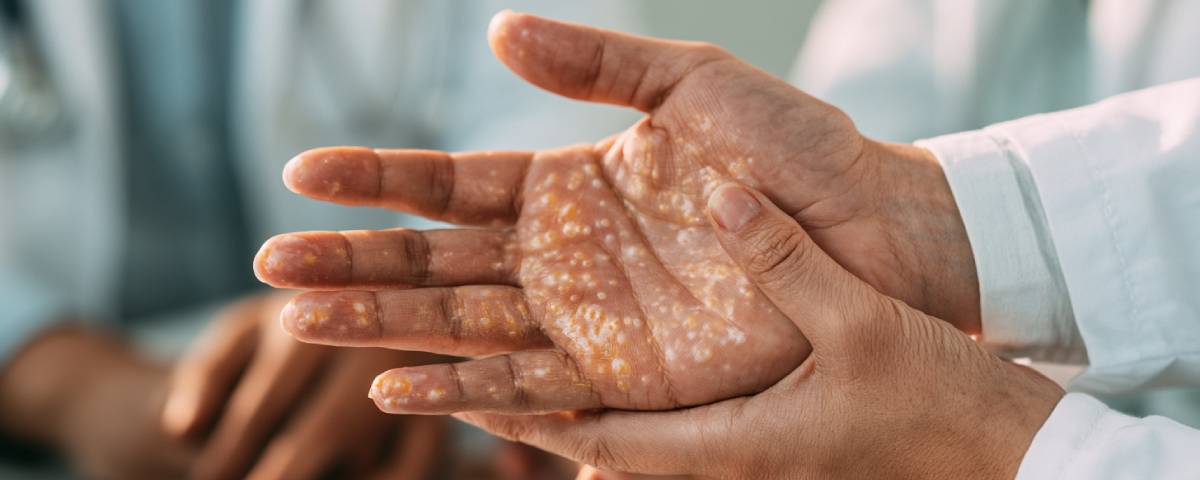

A Brighter Future for Vitiligo: The Role of Dermatology Clinical Trials in Restoring Skin Pigment
November 11, 2025
The Hidden Burden of Psoriasis: What Symptoms Reveal—and What Patients Wish People Knew
January 14, 2026
Your skin tells an ever-changing story, and it’s natural for that story to shift over time. Acne that once dominated teenage years may disappear, only for itchy patches, sensitivities, sudden rashes, or suspicious spots to appear later. Hormones fluctuate, stress rises and falls, seasons change, and life keeps moving—which is why skin diseases often evolve in ways that feel unpredictable.
When your skin starts behaving differently—whether it’s eczema, psoriasis, vitiligo, chronic urticaria, alopecia areata, or another distressing condition—it’s important to pay attention to what those changes may be signaling. These ongoing shifts are exactly why dermatology research matters. Here at Apex Clinical Research Center, our team works every day on dermatology clinical trials designed to uncover better, more reliable, more personalized treatment options for people whose skin stories are still unfolding.
You’re Not Alone: Everyone Needs Advancements in Dermatology
Just about everyone who has skin has experienced a plot twist in their skin’s story at some point in life. More than 85 million people visit medical professionals about their skin conditions every year. Whether you have a common skin condition or a rare one, there are other people out there struggling right along with you. Consider these statistics:
Common & Chronic Skin Diseases Affecting Millions
- Acne: impacts at least 50 million people every year
- Eczema (atopic dermatitis): affects just under 32 million
- Psoriasis: about 7 million Americans struggle with it
- Skin cancer: diagnosed in approximately 9,500 people every day
Immune-Driven or Recurrent Skin Conditions
- Alopecia areata: affects more than 1 million people in the U.S.
- Chronic urticaria: about 3 million people in the United States struggle with it
- Vitiligo: impacts more than 2 million Americans
- Hidradenitis suppurativa (HS): estimates vary, but may impact up to 13 million
Less Common but Deeply Impactful Conditions
- Prurigo nodularis: affects about 250,000 people in the United States
- Palmoplantar pustulosis (PPP): affects approximately 410,00 people, but firm statistics are hard to establish
Every one of those numbers represents a real person with a real story. Perhaps it’s you, or someone close to you, working through the mystery of why your skin struggles with distressing symptoms—and how to resolve that mystery and finally find relief. Through dermatology clinical trials, our researchers examine the clues within and around the skin to drive advancements in dermatology forward. These clues can help us improve the stories of patients today and in the future.
Why Skin Diseases Naturally Evolve
As your body’s largest, most exposed organ, its story is especially dynamic. Chronic conditions can emerge unexpectedly. Stress, age, various health conditions, hormones, and environmental shifts can all trigger unexpected flare-ups, disrupt expected cycles, and even change presentation.
For instance, patients with eczema and psoriasis frequently move through times of flare-ups and calm-downs. Patients with alopecia areata might start growing hair back, only to have it fall out in another area suddenly. Sometimes, a treatment that has worked for months or even years stops working. These sudden changes don’t necessarily mean the treatment is ineffective—but it does mean that the condition itself is dynamic and needs a new approach. This underscores the necessity of ongoing dermatology research to unravel the mystery of how and why these changes occur, and how to treat them more effectively.
What New Skin Symptoms or Side Effects Can Tell Us
As aggravating and mysterious as new flare-ups and shifts like these can be, they can also provide clues to inform additional dermatology research, which can lead to better treatments and long-term improvement. They give dermatologists new information that can help them adjust patient care for more effective relief or discover new treatments that adapt to changes in the environment that might be causing the flare-ups.
For example, many patients with plaque psoriasis experience increased skin sensitivity and aggravated symptoms in winter as their skin responds to environmental changes. During dermatology clinical trials with a cohort of other psoriasis patients, researchers have used clues like these to discover that lower vitamin D levels, light exposure, humidity, seasonal infections, temperature changes, and stress levels all have an impact on winter psoriasis flare-ups. Researchers can then find patterns and insights emerging from all of this granular data, powered by symptom changes in people who have participated in dermatology clinical trials. Researchers can subsequently use these real-world insights to solve skin mysteries and find therapies designed to address underlying triggers more effectively.
How Dermatology Research Builds Tomorrow’s Options
Ongoing dermatology research exists to expand options for people whose skin conditions evolve and change, including:
Atopic Dermatitis (Eczema)
Ongoing clinical trials for eczema are discovering new, more individually-tailored treatment options that include immune profiling and biologics that target patients’ genetic makeup.
Hidradenitis Suppurativa (HS)
The hidradenitis suppurativa clinical trials we are doing at Apex Clinical Research Center are testing and evaluating emerging biologic injectable and oral medications that more effectively address skin lesions.
Chronic Urticaria
Chronic urticaria clinical trials are taking treatment beyond antihistamines and into medications that can better target and modulate the mast cell reactions responsible for causing the itchy wheals.
Palmoplantar Pustulosis (PPP)
Dermatology clinical trials for patients with rare skin diseases like PPP are especially urgent. Because rarer skin conditions have not been studied intensively in the past, there is a lot of room for improvement in finding long-lasting, better-tolerated, effective relief options.
Across these and many other conditions, dermatology research is rapidly expanding treatment options in ways traditional care alone cannot. Ongoing dermatology research can refine existing therapies so they are more precise, easier to apply, and better tolerated (with fewer side effects), and more adaptable for those times when the story shifts and flare-ups occur. Oftentimes, it’s not about replacing an existing treatment so much as refining it or discovering ways in which it can become more effective and adaptable when a patient’s skin needs change.
Dermatology Clinical Trials Near Me: Why Research Participation Feels Highly Personalized
Although many patients are initially hesitant about perceived risks and the time involved in participating in dermatology research, they are often surprised by just how personalized, safe, and helpful the process feels. It’s an entirely new level of care where they and the research team participate together in writing the future story of new advancements in dermatology. If you’ve discovered our studies by searching for “clinical trials near me”, reach out to us with questions, and subsequently decide to participate in a study, you can expect your story to include:
Frequent Visits
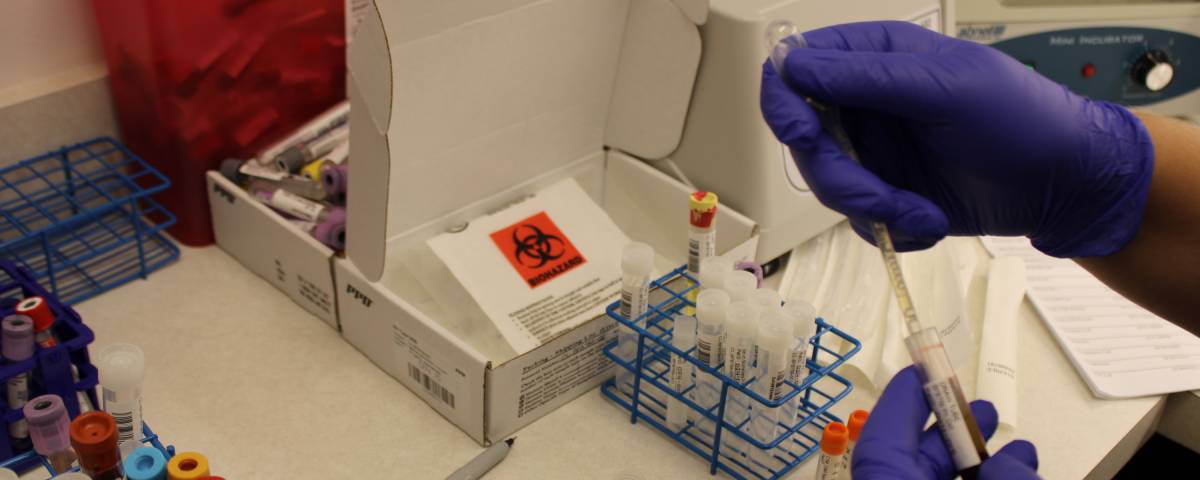
Frequent visits allow researchers to monitor minute, granular changes in your skin, monitor you for safety, and gather important clues that can unlock mysteries that lead to better relief. For most clinical trials, you will even be reimbursed for the travel time you spend attending these appointments.
Thorough Monitoring
We closely monitor every aspect of your safety and well-being during a trial. Clinical trial safety protocols require very thorough monitoring of all symptoms, including ones that may not seem to be connected to your skin condition. Careful monitoring helps us improve your experience and uncover clues about how treatments could provide better relief. This is especially helpful for patients with shifty skin diseases like eczema, psoriasis, HS, and alopecia areata. We can then uncover additional clues about what causes flare-ups and factors that might cause a flare-up to calm down.
Extra Support and Symptom Tracking
Being part of a clinical trial also involves extra support and understanding of what you are experiencing in your skin story. Studies typically last for several months to more than a year, and during that time, every symptom will be tracked for patterns so we can gain insight into how your skin responds and how treatments work over time.
Collaborative, Transparent Communication
Detailed, transparent communications and informed consent are baked into the clinical trial design. Patients are encouraged to ask all of their questions in a supportive, transparent atmosphere, and our team encourages open and honest communication about their full experience.
Complements Regular Dermatology Care
Dermatology clinical trials do not happen in a vacuum—the information we gather about the treatment study and the course of your skin condition will be shared with your regular dermatology care team to help inform and improve your ongoing treatment.
The Future of Care: How Your Experiences Shape What Comes Next
Whether it’s a common condition like psoriasis or something rare like hidradenitis suppurativa, every skin condition benefits from ongoing innovation and research. Dermatology research moves forward when real people share how their skin behaves in everyday life—the flares, the remissions, the unexpected shifts, and the patterns they’ve learned to notice.
Patients with evolving or fluctuating conditions often provide the most valuable insights for creating treatments that are more effective, more precise, and more easily tolerated. Every study we conduct at Apex Clinical Research Center is voluntary, fully informed, and designed to support you at every step. And you don’t need to be “out of options” to participate in a clinical trial, either. You can participate at any stage in your treatment, as long as you meet the study eligibility criteria. Your experience matters, and it can help guide the plot toward developing future therapies across many conditions.
If you are living with a condition listed in our current studies, you’re welcome to explore the research we’re doing and see if a study might be a fit. And if you’re simply curious about participating in a clinical trial, you can reach out with questions at any time—no pressure and no commitment. We’re here to help you make informed decisions as you continue writing your skin’s ongoing story.