The Challenge of Vitiligo Repigmentation: Why Treatment Results Vary Across the Body
September 11, 2026
What Are the Stages of Hidradenitis Suppurativa?
October 13, 2026
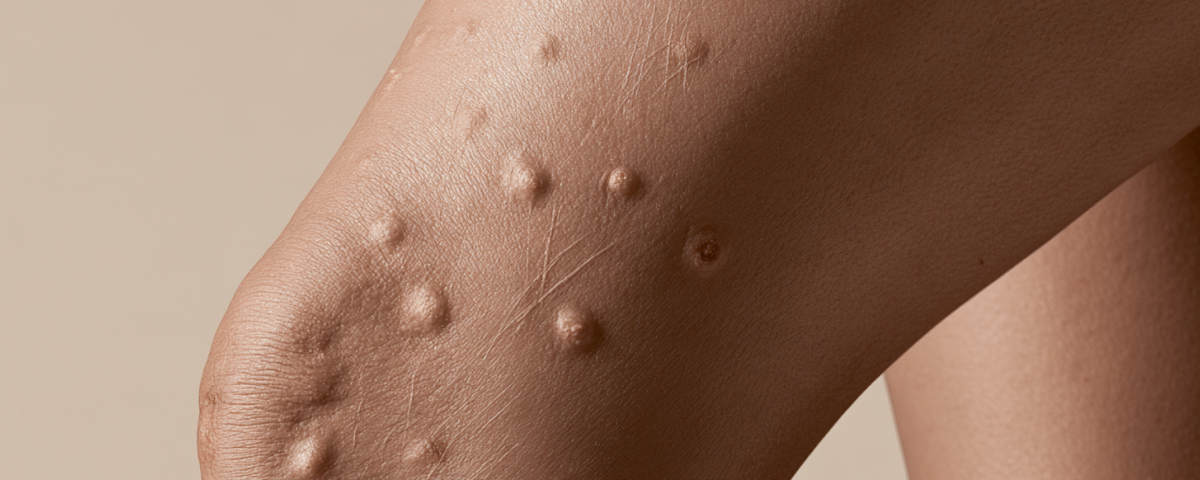
It’s nearly impossible to ignore the prurigo nodularis itch, which is why that aspect of PN often gets the most attention—but the painful nodules also define the disease and cause distress for patients. PN nodules aren’t just bumps caused by scratching the incessant itch. Over time, repeated scratching, inflammation, and changes in nerve and immune signaling can contribute to the development of the characteristic nodules seen in PN. As the root causes of prurigo nodularis remain under investigation, Apex Clinical Research Center is conducting dermatology clinical trials to untangle the itch and understand how the nodules form, so we can design better prurigo nodularis treatment options and provide more reliable and consistent relief for patients.
How Prurigo Nodularis Nodules Develop
The prurigo nodularis itch-scratch cycle can become more intense and damaging to skin tissue than cycles associated with other itch-inducing skin diseases, such as eczema or chronic urticaria, although some of the same mechanisms operate across these and other skin conditions.
In PN, the skin reacts to repeated scratching and rubbing by thickening itself in a process called “lichenification”. The skin can also develop hyperkeratosis, a thickening of its outermost layer that contributes to the rough, hard surface of established nodules. At the same time, changes involving sensory nerves, inflammatory cytokines, and fibroblasts can help sustain inflammation and changes within the skin. This complex skin biology contributes to the development of firm, raised, painful, and itchy nodules deep within the skin.
Why PN Nodules Can Become So Persistent
Once the prurigo nodularis lumps (nodules) develop, they can become part of the ongoing chronic disease process rather than simply disappearing after the itch-scratch cycle decreases. The nodules themselves become part of the chronic inflammation story within PN-affected skin. Ongoing changes in nerve fibers perpetuate dysfunctional signaling that contributes to nodule formation. Thickened nodules can heal, but it takes time, even when following a prurigo nodularis treatment regimen as directed. And because PN patients have such itch-prone, sensitive skin, any additional scratching or friction can reopen lesions, causing bleeding, scabbing, scarring, and infection risks that can slow healing and cause complications. This is why breaking the itch-scratch cycle alone, as crucial as that is, may not immediately resolve long-established nodules.
PN Nodules Can Look Different From Patient to Patient
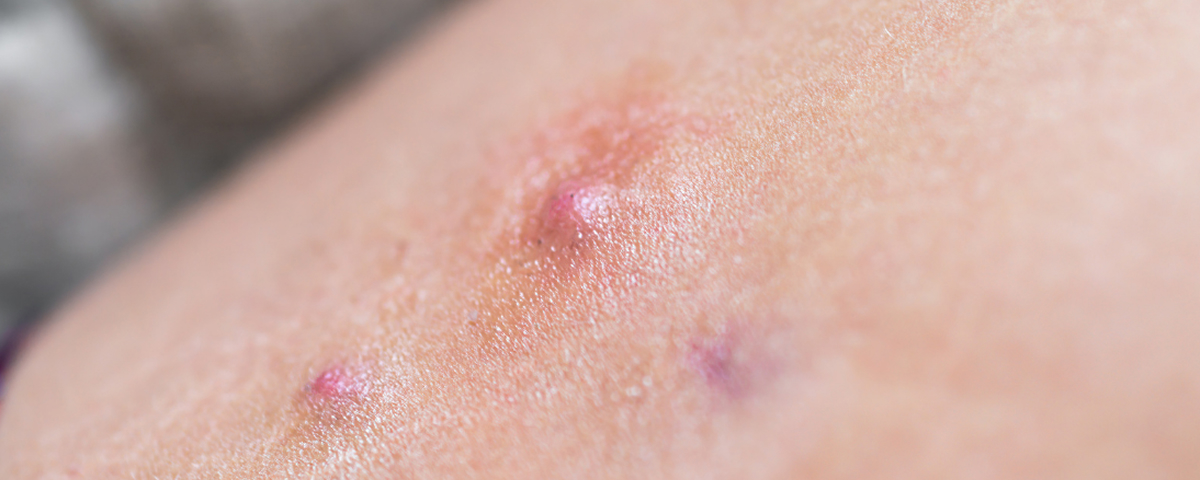
PN nodules can also look different in different patients and are often affected by individual factors. These unique features are also the subject of dermatology research because these differences may help us understand the disease and develop better treatment of prurigo nodularis symptoms. Some of the differences in PN nodules can include:
- Differences in number, size, thickness, and location of nodules from patient to patient.
- PN nodules often affect skin areas that people can easily reach to scratch, including the arms, legs, and trunk.
- The colors of PN nodules can also vary significantly. They may appear pink, red, brown, or black. This can depend on your skin tone, but also on the disease stage and how long the nodules have been present.
- When PN nodules heal, they can leave behind scars and changes in skin pigmentation.
Because these factors vary between patients, it can complicate and lengthen the time it takes for a patient to get a clear prurigo nodularis diagnosis so they can start treatment.
What the Nodules Tell Researchers About Disease Severity
Researchers can't evaluate the severity of a patient’s prurigo nodularis based solely on asking how bad the itch is, because itch is a difficult (but not impossible) sensation to quantify. Researchers can, however, objectively measure the number, distribution, size, and changes in nodules, which provides researchers with important clues that can help them assess disease activity and prurigo nodularis treatment responses. Understanding both the itchiness and the nodules gives researchers two specific data points to work with in understanding the disease process.
Dermatology clinical trials for PN may measure both the reduction in itch and the improvement and healing rates of skin lesions. Equally important is how patients themselves report changes in their quality of life. It’s also important to recognize that sometimes improvements in itch relief and healing of nodules may not necessarily happen at the same pace. Those differences are also important to measure and understand during prurigo nodularis clinical trials.
Why Prurigo Nodularis Research Needs to Address More Than the Itch
To provide lasting relief, prurigo nodularis treatment needs to address the complex and interconnected immune, nerve, and skin changes involved in the disease process. Dermatology research needs to delve deeper to understand what is happening within established PN nodules. This could help us identify ways to reduce the inflammatory process that creates the nodules, improve lesion healing, and reduce itching. This underscores the need for dermatology clinical trials that ask and look for answers to those particular questions. Apex Clinical Research Center is currently conducting an important prurigo nodularis clinical trial to understand the biological processes of the disease better and discover whether investigational treatments can improve the quality of life for patients. Patient input and experience are critical for this ongoing dermatology research.
Improving Prurigo Nodularis Treatment through Dermatology Clinical Trials
Prurigo nodularis is a complex skin disease. The itch and the development of skin nodules are intertwined. So, dermatology research needs to explore both of these aggravating prurigo nodularis symptoms, and all the facets that create this suffering for patients. Only by gaining a deeper understanding of the biology behind these symptoms can we develop advanced treatment options that meaningfully improve the lives of patients. In fact, patient input is crucial to helping drive these advances forward. If you have an active PN diagnosis, you may be eligible to participate in a current dermatology clinical trial at Apex Clinical Research Center. Visit our Current Studies page to learn more about the study, eligibility requirements and what participating in clinical research involves.