
Prurigo Nodularis Nodules: More Than a Result of Scratching
September 22, 2026
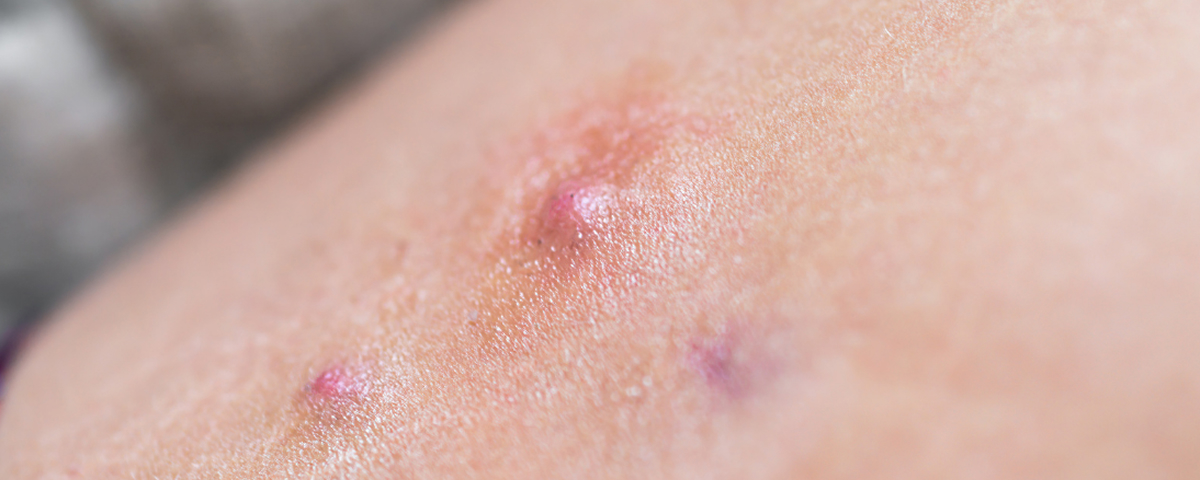
One of the most difficult aspects of dealing with hidradenitis suppurativa (HS) is accurately diagnosing it in its early stages. Challengingly, HS does not look the same in every patient, and many patients are already in the later stages of HS before they can get an accurate diagnosis and begin treatment. Some patients experience isolated nodules and abscesses, but others suffer from extensive lesions, tunnels, and scarring.
As we discussed in a previous blog, an earlier HS diagnosis can guide patients to improved outcomes for their quality of life. But even after HS is diagnosed, the disease can look very different from one patient to the next, making it important to have a consistent way to describe its severity.
The Hurley Staging System: Evaluating the Stages of HS
The Hurley Staging System is just one of the classification and diagnostic tools dermatologists use to determine which of the HS Stages a patient is experiencing. However, it’s important to note that this system only describes the severity of the disease based on physical symptoms of HS; it does not take the inflammatory markers of HS into account, nor does it mean that every patient will inevitably progress from mild hidradenitis suppurativa at HS Stage 1, to HS Stage 2, and then all the way to HS Stage 3. Not all patients progress through all the stages in order. Nevertheless, it is still a useful classification system that helps guide dermatologists and ongoing hidradenitis suppurativa research, such as the HS clinical trials we are running here at Apex Clinical Research Center.
How Are the Stages of HS Determined?
The Hurley Staging System can diagnose patients’ hidradenitis suppurativa stages based on a visual and physical examination that takes the following factors into account:
- The number of lesions on the body, and where they are located
- Patterns made by the lesions
- Whether lesions are isolated or recur in the same location
- The presence of tunnels (sinus tracts) under the skin
- The presence and extent of scarring
Dermatologists use these standardized, physical evaluation criteria to objectively diagnose whether a patient is at HS Stage 1, 2, or 3. Using the Hurley Staging System, they can evaluate HS Stages and describe the severity of a patient’s symptoms at different points in time relatively quickly. This is a helpful tool for clinicians and dermatology research teams because it provides a consistent way to describe disease severity and evaluate how patients respond to treatment.
HS Stage 1: Mild Hidradenitis Suppurativa
In the initial stages of HS, clinicians will note the presence of abscesses or inflammatory nodules that do not have tunnels (sinus tracts) under the skin. Extensive scarring is also not present in stage 1. The nodules may occur in one or more of the typical HS locations (armpits, between the legs, in the groin area, under the breasts, between the buttocks). Although HS Stage 1 is considered “mild hidradenitis suppurativa”, the symptoms can still be very painful and disruptive and feel severe for the patient’s quality of life.
Also, HS Stage 1 can be difficult to diagnose correctly because the lesions may resemble boils, acne, or ingrown hairs. This is why it’s often so difficult for patients to get an accurate diagnosis at this stage. In fact, more than half of hidradenitis suppurativa patients receive two wrong diagnoses before they get the correct one—a diagnosis delay that can last for seven years on average.
HS Stage 2: Moderate Hidradenitis Suppurativa
At HS Stage 2, clinicians will note that abscesses or nodules recur, often in the same locations as previous flare-ups. The key difference between HS Stages 1 and 2 is that now, some tunnels (sinus tracts) will have developed in deeper skin layers, and scarring will be present. The typically affected areas remain separated, however, without extensive, interconnected manifestations. Yet, even patients with moderate hidradenitis suppurativa can experience very different levels of pain, symptom burden, and disruption to their quality of life.
HS Stage 3: Severe Hidradenitis Suppurativa
The key characteristic of HS Stage 3 is that symptoms have developed across a larger, more extensive area of the body. Multiple sinus tracts (under-skin tunnels) interconnect with each other. Inflammatory lesions continue to recur and result in significant scarring. At HS Stage 3, patients often report that their symptoms adversely affect movement and therefore their ability to carry out everyday activities. They experience persistent pain, and their abscess may also drain and produce a foul odor.
Significant Disease Burden Through All Stages of HS
No matter what stage of HS patients experience, they report significant disruption to their quality of life. The physical pain of hidradenitis suppurativa disturbs sleep for most patients, which can increase their risk for a wide range of health problems and attention dysfunction during the day. More than half of HS patients report struggles with interpersonal relationships because of the disease, and almost three-quarters of HS patients report that the condition impairs their ability to work. These factors also significantly increase the odds of depression and anxiety. These quality-of-life effects are also important considerations in ongoing hidradenitis suppurativa research that takes patients’ experiences into account, while helping to find better HS treatment options.
Does Hidradenitis Suppurativa Always Progress From HS Stage 1 to Stage 3?
Just as the symptoms of HS do not always look the same between patients, hidradenitis suppurativa does not necessarily follow a predictable progression from stage 1 to stage 2 to stage 3. Some patients experience mild hidradenitis suppurativa at Stage 1 for an extended period of time, while others experience more significant disease progression over time.
To complicate matters, sometimes the same patient will have areas of the body that experience different stages of HS at the same time. Patients should discuss any changes in the frequency, extent, or nature of their symptoms with a dermatology provider so they can get the support they need.
Why HS Severity Matters for Treatment and Research
Disease severity is an important factor that dermatology providers consider when determining how they should help their patients manage HS and get reliable symptom relief. The Hurley Staging System and other criteria can help clinicians and researchers better understand the disease, even from its milder stages.
Of course, moderate to severe hidradenitis suppurativa remains a critical area of research, especially for patients whose symptoms have not been adequately alleviated and controlled with currently available treatment options. Patients looking for new approaches can also consider participating in hidradenitis suppurativa clinical trials that are trying to untangle how HS Stages progress in different patients and how different inflammatory responses lead to changes in symptoms so that better treatments can be developed. Clinical trials can evaluate investigational approaches in defined patient populations, helping researchers advance HS treatment for more patients.
Understanding HS Stages and Researching HS Relief Options
Because HS severity can vary widely between patients, and even for individual patients themselves, diagnostic tools like the Hurley Staging System, as well as other clinical tools, can help clinicians diagnose and describe the extent of the disease. They typically do not predict exactly how an individual might progress through the stages of HS, however. Still, understanding how dermatologists classify HS stages can help patients have more meaningful conversations with their providers about their condition and their care options as ongoing hidradenitis suppurativa research seeks to better understand how the disease works and how to provide relief.
If you are a patient with HS, consider participating in our HS clinical trial. And if you have any questions about the program or your eligibility to participate in the HS study, please contact us today.