
Why is My Vitiligo Spreading? Understanding Disease Progression and What to Watch For
July 13, 2026
Uncontrolled Eczema: Why Long-Term Inflammation Matters
August 13, 2026
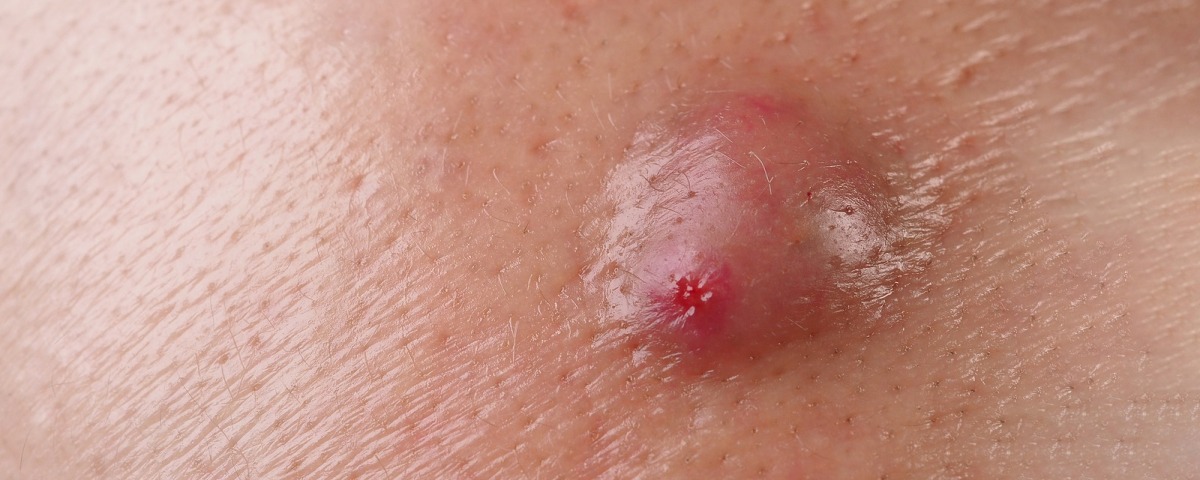
Living with hidradenitis suppurativa symptoms is bad enough, but one of the more aggravating aspects of the condition is how long it takes to get an accurate diagnosis. Research shows that patients often live with this painful autoimmune condition for anywhere from 7 to 10 years before being correctly diagnosed. By that time, significant scarring may have already developed, along with years of physical, mental, and emotional challenges associated with the condition. Part of what makes diagnosing hidradenitis suppurativa (HS) so tricky is that the early stages often resemble other dermatological conditions like cystic acne, ingrown hairs, cysts, or recurring boils.
Because these early symptoms can look so familiar, many people don't realize they're experiencing something more than a common skin condition. Recognizing the warning signs sooner may help patients seek evaluation earlier and avoid years of uncertainty.
Researchers continue studying what causes hidradenitis suppurativa, how to recognize its earliest signs, and how new targeted therapies may improve care in the future. At Apex Clinical Research Center, ongoing dermatology research and hidradenitis suppurativa clinical trials are helping advance that understanding.
Why Hidradenitis Suppurativa Symptoms Are Often Missed Early
Most of the early signs of hidradenitis suppurativa are easy to miss because they are easily dismissed as other, more routine skin conditions. This is why misdiagnosis is so very common in the early stages. HS symptoms often begin gradually. A boil in the armpit or groin area may initially clear up on its own before others emerge in the same location over the course of months and years.
Studies also show that a general lack of HS awareness and disparities in access to dermatologic care, insurance coverage, and specialists can create additional barriers to prompt diagnosis for many patients. So many people are misdiagnosed in the early stages that researchers recognize the true prevalence and burden of HS may be underestimated. This underscores how urgent continuing hidradenitis suppurativa research truly is.
What Are the Earliest Signs of Hidradenitis Suppurativa?
Increasing awareness of the early signs of hidradenitis suppurativa can help patients and clinicians diagnose the condition faster and take steps to improve the level of care patients receive. It is especially important to understand the key differences between HS and the conditions it’s most commonly confused with. Some of these early hidradenitis suppurativa symptoms include:
1. Painful, pea-sized lumps beneath the skin
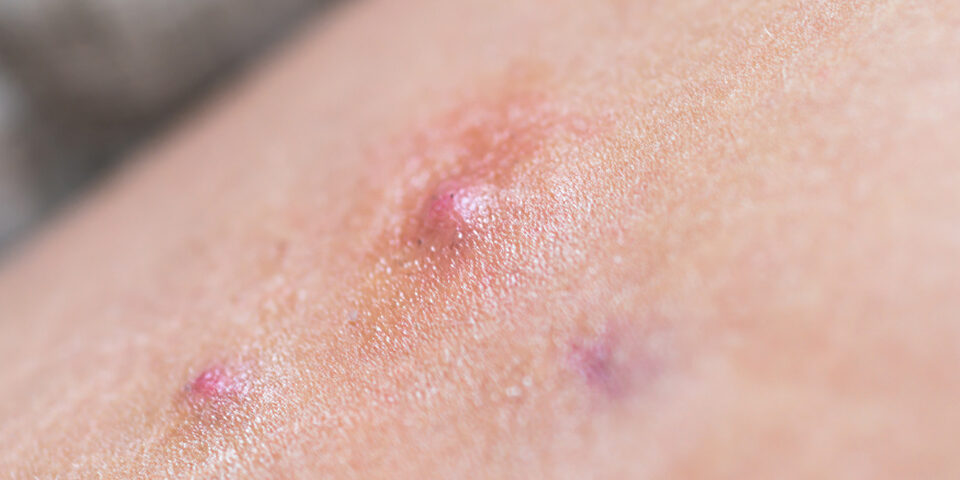
One of the earliest signs of HS is the development of small, painful nodules beneath the skin. Unlike typical pimples, these lumps often feel deeper and more tender. They most commonly develop in areas where skin rubs together or where hair follicles are concentrated, including:
- Armpits
- Groin
- Inner thighs
- Under the breasts
- Buttocks and skin folds
While these locations don’t automatically indicate HS, they can provide important clues when symptoms continue to recur.
2. Tender nodules that repeatedly flare in the same location
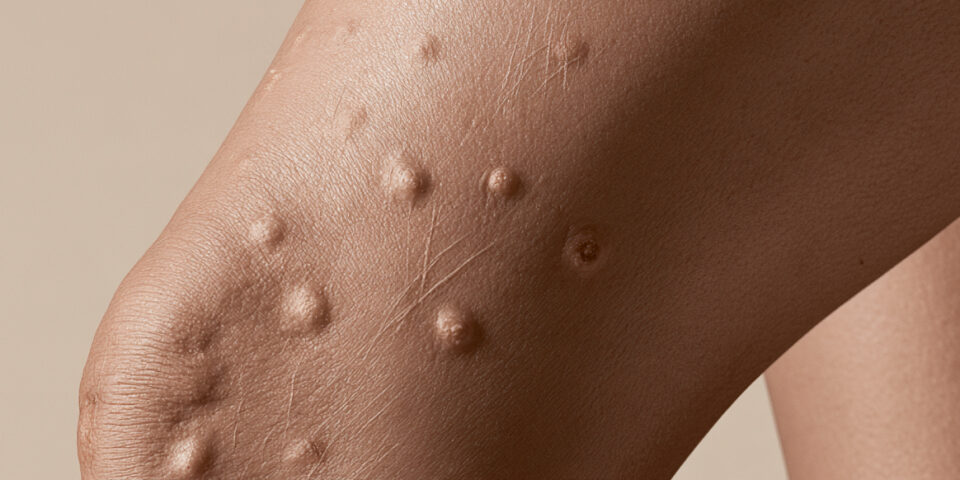
It is important to note whether the nodules appear in the same areas repeatedly. Recurring lesions in the same location are one of the hallmarks that can distinguish HS from many other common skin conditions. As the disease progresses, HS nodules may connect in the deeper layers of skin, forming “sinus tracts” or tunnels beneath the surface. These tunnels generally develop later in the disease process, but repeated inflammation in the same location may be an early warning sign.
3. Nodules that feel deeper than typical pimples
HS is often first misdiagnosed as cystic acne, which manifests in the upper layers of the skin. HS nodules form much deeper, in the roots of the hair follicles. Painful inflammation typically also develops in the area before the drainage occurs. The discharge from HS nodules also carries a foul odor, whereas discharge from acne and boils does not. The depth of the nodules, the odor, and the location on the body should alert patients and dermatologists to the possibility of an HS diagnosis.
4. Early signs of hidradenitis suppurativa: age range
Global studies indicate that the median age range of HS diagnosis is about 14.7 years, which, when combined with the understanding that the typical patient with HS goes for 7 to 10 years before a clear diagnosis, underscores the need for more attention to HS during the pediatric years. Hidradenitis suppurativa can strike patients of any age, whereas acne typically develops during adolescence and into early adulthood.
5. Additional risk factors to consider
Although scientists don’t know yet what causes hidradenitis suppurativa, research is uncovering more clues all the time. These clues cannot diagnose HS on their own, but they may provide additional context when considered alongside recurring symptoms. As more dermatology research continues, the goal is that hidradenitis suppurativa causes will become clearer, leading to better diagnosis and treatment opportunities. Although all ages, ethnicities, and genders have experienced diagnoses with HS, the current research suggests:
- Gender: It is believed that sex hormones play a role in the development of HS, particularly in women and girls. Women are two times more likely to be diagnosed with hidradenitis suppurativa than men. In fact, the prevalence of HS in women who also have polycystic ovarian syndrome is 9.0% when compared with women who do not have PCOS.
- Race: Black patients experience HS at rates three times higher than white patients.
- Other Conditions: The following diagnoses also have higher comorbidities among patients with HS: severe acne, diabetes, Down syndrome, arthritis, inflammatory bowel disease, and cardiometabolic disease. Hirsutism can also be a risk factor, as the disease mechanism specifically targets hair follicles.
- Weight: Being overweight is associated with an increased risk.
- Smoking: As an autoinflammatory disease, hidradenitis suppurativa also seems to afflict people who smoke in higher numbers than non-smokers. This may have to do with how the chemicals in nicotine spur inflammatory changes in the body.
Many studies also indicate that genetics appears to play a significant role in the development of hidradenitis suppurativa, as do hormonal fluctuations, as between 30% and 40% of patients have a family history of HS as well.
Hidradenitis Suppurativa vs. Acne, Cysts, and Boils
As previously mentioned, when it comes to identifying the differences between HS and acne, for example, the location on the body and the depth underneath the skin where the nodules appear are clinically significant clues. That said, it is not unheard of for acne and HS, or other types of cysts and boils, to occasionally manifest in the same areas.
Similarities that Create Confusion
The fact that early signs of hidradenitis suppurativa closely resemble other skin conditions is what leads to the unfortunately long wait times for an accurate diagnosis for so many patients. Boils and HS both cause painful, inflammatory lumps under the skin. Cystic acne does the same thing. Ingrown hairs can mimic these painful lumps as well, but usually resolve on their own over time. Boils and acne also respond to currently available treatments. HS, however, often reemerges, frequently in the same place, and is often less responsive to treatments for acne and boils.
Key Differences Patients Should Recognize
Paying attention to these clues can help patients and clinicians suspect they may be dealing with the first signs of hidradenitis suppurativa, and not something else:
- Location on the body: Once again, the vast majority of HS nodules appear in the hair follicles located in the following areas: inner thighs, armpits, groin, skin folds, under the breasts, and between the buttocks. Boils can appear anywhere, and acne is often centralized on the face, the back, shoulders, and chest.
- Odor: HS drainage is often associated with an unpleasant odor, although odor alone should not be used to distinguish HS from acne, boils, or cysts.
- HS nodules occur deeper in the skin than boils or acne.
- HS nodules keep coming back to the same spots over and over, deepening the scars.
- HS nodules often connect with each other underneath the skin, causing tunnels or “rope-like” scars. Acne and boils typically leave “ice-pick” or single spot scars localized in one place.
- HS does not respond to the same treatments used for acne, boils, or cysts. This is because hidradenitis suppurativa causes are different from those for acne and boils and require different treatment altogether.
If you are working with a dermatologist to determine what is causing any recurring abscesses, a positive bacterial culture for Staphylococcus aureus may suggest an infectious boil rather than HS, although secondary bacterial infections can also occur in HS lesions. HS is not an infection; it is an autoinflammatory reaction. HS drainage is also often sterile despite ongoing inflammation.
Why Recurring Lesions in the Same Locations May Be a Warning Sign
One of the most clinically significant hidradenitis suppurativa symptoms, in addition to where it occurs and odor, is when abscesses reappear in the same spots over and over. If this happens more than twice in the same area within six months, talk with your dermatology provider. HS nodules behave this way because, as an autoinflammatory disease, they attack the same, stationary hair follicles.
When Hidradenitis Suppurativa Symptoms May Be Progressing
Patients should also be aware of more frequent flare-ups. During an HS flare, the size and number of nodules can increase and become more painful, with recurring drainage and lesions in the same areas. When this happens, scarring and tunnel formation can increase, so it’s important to reach out to your dermatology provider any time you notice an increase in symptoms.
Why Earlier Recognition Matters—and What Research Is Teaching Us
Catching the early signs of hidradenitis suppurativa faster is an important goal of ongoing dermatology research. The earlier patients can receive a correct diagnosis, the earlier they can receive targeted treatment that can more effectively provide relief for their hidradenitis suppurativa symptoms and even slow or halt HS disease progression, which can help improve quality of life.
Dermatology research into HS has recently discovered some of the dysregulated immune system pathways that seem to aggravate HS: TNF-alpha pro-inflammatory cytokines, Interleukins IL-17A and IL-17F, and Interleukin IL-1. Researchers’ next steps include hidradenitis suppurativa clinical trials to more accurately target what causes hidradenitis suppurativa to improve treatment options.
Clinical trials play an important role in translating these scientific discoveries into potential new therapies. By studying investigational treatments, researchers continue expanding what is known about HS while working toward more targeted treatment options for future patients.
Hidradenitis Suppurativa Research is Progressing
Helping patients and dermatology providers recognize the early signs of hidradenitis suppurativa by resolving misunderstandings and misdiagnoses of more common skin conditions is a central goal of ongoing hidradenitis suppurativa research. Earlier diagnoses can help patients access appropriate treatment earlier, before more severe symptoms lead to deeper pain and scarring. And as dermatology research continues in hidradenitis suppurativa clinical trials, we can better understand its causes and develop more effective treatment approaches in the future.
If you would like to learn more about our ongoing hidradenitis suppurativa clinical trials, please reach out to us to find out how to participate.