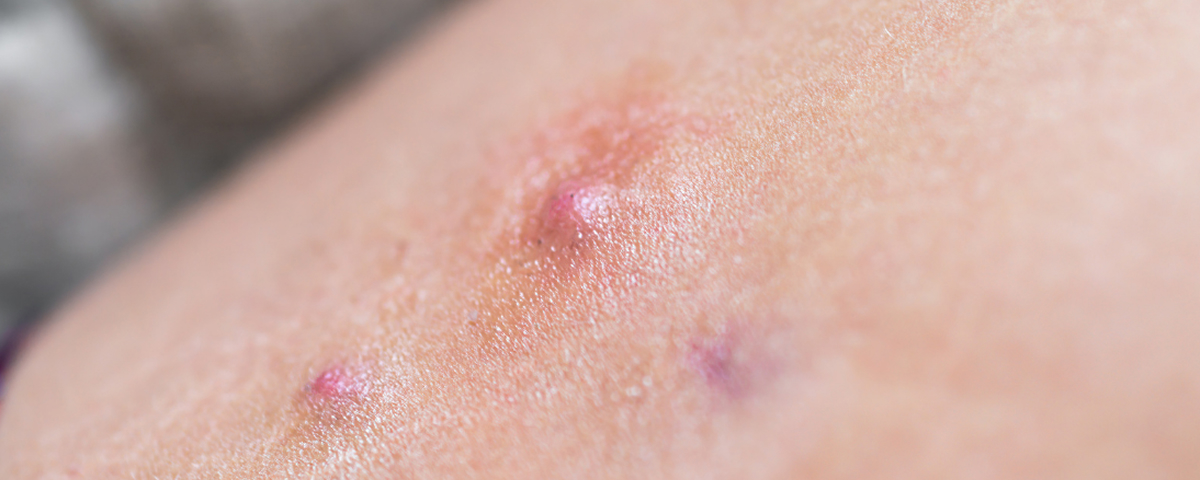

Why Prurigo Nodularis Itching Feels Different From “Normal” Itch—and Why It’s So Hard to Stop
June 12, 2026
Early Signs of Hidradenitis Suppurativa: When a “Boil” May Be Something More
July 30, 2026

When you're first diagnosed with vitiligo, it's natural to focus on the patches you can see today. But one of the biggest questions often isn't about the present; it's about what comes next.
Will the patches get larger? Will new ones appear? Can doctors predict whether vitiligo will spread? While there are still questions researchers are working to answer, one thing is clear: vitiligo can progress over time, but not in the same way for everyone.
As a complex autoimmune condition, vitiligo varies widely among the nearly 2 million people in the U.S. living with the disease. For some, pigment loss remains stable for years. For others, white patches gradually expand, merge, or appear in new areas of the body. Understanding how vitiligo progresses can help patients recognize meaningful changes, have more informed conversations with their dermatologist, and better understand why ongoing research into the condition remains so important.
Apex Clinical Research Center is currently enrolling patients for a vitiligo clinical trial to better understand vitiligo and help advance future treatment options.
What Is Vitiligo Progression?
Researchers use the term vitiligo progression to describe how the first white patches of skin change, merge, expand, or appear in different areas over time. For most patients, early signs of vitiligo include small patches of skin called macules that turn white because the immune system attacks the skin cells responsible for your natural skin pigment (melanocytes). The hands, feet, face, knees, elbows, and forearms are common places for the first macules to appear.
Vitiligo progression can look different from person to person. Some individuals experience only gradual changes over many years, while others notice new areas of pigment loss more quickly. Possible changes include:
- Existing macules may expand and/or change shape.
- New macules may appear while older ones sometimes regain their original pigmentation.
- Pigment loss may appear in other areas of the body, including:
- Inside the mucous membranes of the nose and mouth
- The scalp
- The hair, including eyebrows and eyelashes
- The eyes and inner ears
- The genital area
For some patients, vitiligo symptoms can remain stable for years. Sometimes, patients notice gradual changes. At other times, vitiligo progression is rapid and unpredictable.
Vitiligo can start at any age, but it most often develops before the age of 30 and can affect any area of the skin. Vitiligo can, but seldom does, go into complete remission. As a result, most people with vitiligo are diagnosed at a younger age and continue living with the condition throughout their lives, even though the signs and symptoms may change over time.
Signs of Vitiligo Progression: What to Look For
If you have a vitiligo diagnosis, regular observation and tracking of macules and changes in other parts of the body can help you and your dermatology provider make treatment and lifestyle decisions to protect sensitive, depigmented skin from sun exposure and irritation.
Because many of these changes happen gradually, they can be easy to overlook. Establishing a routine for monitoring your skin can make it easier to recognize meaningful changes over time:
- Record a weekly self-examination, and consider taking pictures periodically to compare changes over time. Pay special attention to any areas that change rapidly
- Note any changes in the size, shape, and location of macules.
- Remember to note any changes in hair color on your scalp, eyebrows, eyelashes, and/or genital area, as this can also indicate vitiligo progression in areas that are harder to see.
- Watch for any changes in your eyes. Although it is a skin condition, vitiligo sometimes changes the color of the iris and can even affect retinal tissues. Although vision disturbances are rare, it’s worth noting any changes.
- Patients should also pay careful attention to any changes in their hearing. Because the inner ear also contains melanocytes, one of the less common vitiligo symptoms involves potential hearing loss.
- Record any other skin changes you notice in relation to your vitiligo symptoms. For example, some patients report feeling more sensitive or experiencing itching in areas that start losing pigment later.
It’s also worth noting the type of vitiligo that you have, as this can help you gauge the changes you notice based on disease type. For example:
- Non-segmental or generalized vitiligo: Approximately 98% of patients have non-segmental vitiligo, which presents as white patches in rough symmetrical patterns on both sides of the body. For example, both hands, both knees, or both sides of the face.
- Segmental vitiligo: About 2% of patients have segmental vitiligo, which affects one side of the body only and typically does not cross the body’s midline. This type often progresses quickly over six months to two years before becoming stable for long periods.
Documenting and tracking your vitiligo symptoms can help you feel more in control of your situation. It also creates a valuable record that you can share with your dermatologist to better understand how your condition is changing over time. While your personal tracking doesn’t directly contribute to research, the knowledge gained through ongoing dermatology research continues to improve clinicians’ understanding of vitiligo progression and future vitiligo treatment options.
Why Does Vitiligo Spread?
Vitiligo spreads because the immune system continues attacking melanocytes—the cells responsible for producing skin pigment. As long as this autoimmune activity remains active, additional areas of pigment loss can develop.
Certain triggers can also be associated with increased signs of vitiligo spread, but these triggers don’t necessarily cause vitiligo. They can, however, affect immune system function, which can contribute to disease activity in some individuals. Some of the potential triggers include:
- Excessive UV exposure and sunburn can trigger melanocyte and immune system activity.
- Physical and emotional stress can impact immune function, leading to changes in vitiligo symptoms.
- Cuts, scrapes, friction, and other skin injuries can also trigger the Koebner phenomenon, a response in which new vitiligo patches develop at the site of the injury. Because studies suggest nearly 64% of people with vitiligo experience the Koebner phenomenon, it is considered an important indicator of disease activity.
- Coexisting autoimmune conditions can also play a role in vitiligo symptoms. Studies indicate that about 20% of patients with vitiligo also have another autoimmune diagnosis. Common co-occurring conditions include: thyroid disease, alopecia areata, inflammatory bowel disease, pernicious anemia, systemic lupus erythematosus, Guillain-Barré syndrome, discoid lupus, linear morphea, myasthenia gravis, and Sjögren syndrome.
Can Doctors Predict Whether Vitiligo Will Spread?
The short answer is no. Currently, doctors have no definitive way to predict how or whether vitiligo will progress in each patient. Although researchers continue to study why the disease progresses differently from person to person, there is still no reliable way to predict exactly how vitiligo will behave in an individual.
Your dermatology provider can help prepare you, however, by considering several factors in your individual situation:
- Age of onset
- The type of vitiligo you have
- The previous early signs and symptoms of vitiligo in your history, or family history (about 30% of vitiligo patients have a family history of the disease)
- The presence of other autoimmune conditions
Because researchers are still working to understand vitiligo better, proactively monitoring and recording your vitiligo symptoms is a great way to collaborate with your dermatology provider so that you can navigate any current or future disease progression. Tracking these changes can help you and your dermatologist better understand how your condition is evolving over time, while ongoing dermatology research continues to expand our understanding of vitiligo and future treatment options.
What Can I Do If My Vitiligo Is Spreading?
If you've noticed new or expanding areas of pigment loss, schedule an appointment with your dermatologist rather than waiting to see if the changes stop on their own. Early evaluation can help determine whether the disease is active and whether treatment may help slow progression.
Current vitiligo treatments are mostly focused on slowing disease activity and supporting repigmentation. Talk with your dermatology provider about these options, and also about current vitiligo clinical trials and if participating in them is right for you:
- Topical therapies like corticosteroids and calcineurin inhibitors for sensitive areas.
- Phototherapy to stimulate melanocyte production.
- Newer, targeted therapies that address regulating the immune system dysfunction that leads to vitiligo.
Why Early Evaluation and Ongoing Vitiligo Research Are Critical
Whether you are just starting your vitiligo journey or have been dealing with the condition for a long time, regularly documenting your symptoms provides a valuable baseline for you and your dermatology provider. These observations can help identify disease activity, triggers, and potential vitiligo treatment opportunities sooner.
Although researchers have made significant progress in understanding vitiligo, it is still difficult for clinicians to predict which patients will experience progression, stability, or treatment success. Ongoing research continues to focus on understanding why vitiligo behaves differently from person to person and how future therapies can better address the underlying autoimmune process responsible for the condition.
Clinical trials, such as the one being conducted by Apex Clinical Research Center, play a critical role in advancing these dermatology research goals, helping researchers better understand the disease while evaluating potential new treatment options.
Takeaway: What Does Vitiligo Spread Mean for Future Research?
Vitiligo progression can feel unpredictable and distressing, but taking a proactive approach can help you navigate changes with greater confidence. Although doctors cannot always predict how vitiligo will behave, establishing a symptom monitoring regimen and working with your dermatology provider can help you stay informed about new options for research and cutting-edge treatments.
Ongoing dermatology research is exploring new approaches for managing vitiligo symptoms and improving patient outcomes by deepening researchers’ understanding of how the disease develops and progresses.
If you are interested in learning more about our vitiligo treatment research, please visit our Current Studies page to learn about our active vitiligo clinical trial and see whether you may qualify to participate. If you have any questions, please reach out to us today.