

BLOG

Frequently Asked Questions

1What topics are covered in the Apex Clinical Research Center blog?
The Apex Clinical Research Center blog shares educational articles about dermatology clinical trials, skin conditions, clinical research advancements, and emerging treatment options.
2What skin conditions are discussed in the Apex Clinical Research Center blog?
Our blog covers a variety of skin conditions, including psoriasis, eczema, vitiligo, alopecia areata, hidradenitis suppurativa, chronic urticaria, and other dermatological conditions being studied through clinical research.
3How can clinical research articles help patients?
Clinical research articles help patients understand skin conditions, symptoms, and ongoing medical research. Learn more about the importance of clinical trials and their role in advancing dermatology care.
4Can I explore available clinical trials through Apex Clinical Research Center?
Yes. Visit our Current Studies page to explore available dermatology clinical trials and learn about research participation opportunities.
5What is the difference between clinical research and clinical trials?
Clinical research is the broader study of human health, medical conditions, and treatments. Clinical trials are a type of clinical research that evaluates medical interventions, including investigational treatments, to assess their safety and effectiveness.
6Can clinical research help people with rare or difficult-to-treat skin conditions?
Clinical research investigates potential new treatments for a variety of skin conditions, including rare or difficult-to-treat diseases such as prurigo nodularis and palmoplantar pustulosis. These studies can help researchers better understand these conditions and identify promising approaches to treatment.
April 16, 2025

The Psychological Impact of Skin Conditions—and How Dermatology Clinical Trials Can Help

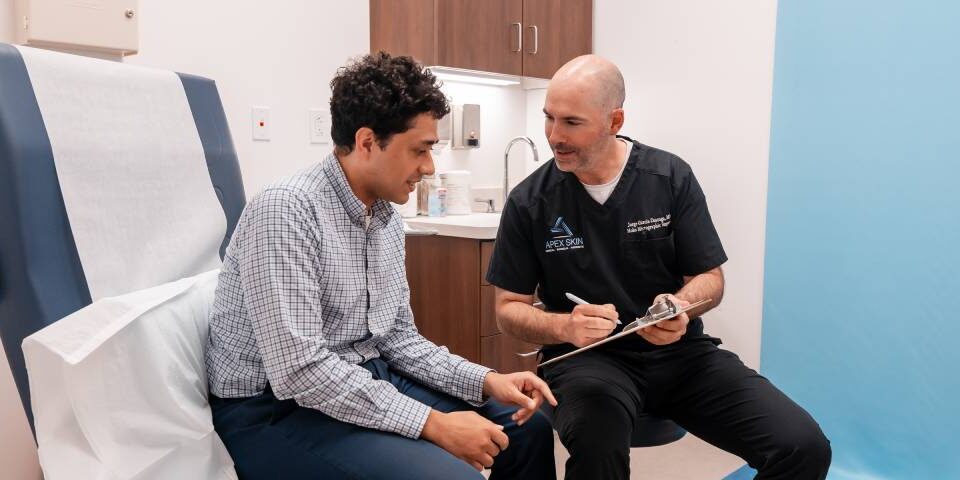
Did you know that skin conditions can significantly impact mental health? This article explores the emotional toll of dermatological issues and how participating in dermatology clinical trials at Apex Clinical Research Center can empower sufferers with innovative treatments and support. Ready to take the first step towards healing?
February 13, 2025

Inside the Itch: Exploring Chronic Urticaria and Innovative Treatments

Ever felt an itch that just won't go away? This article dives into chronic urticaria, a condition known for its relentless, itchy welts. It discusses the limitations of current treatments and highlights a promising clinical trial at Apex Clinical Research Center, where the innovative drug Barzolvolimab might just be the breakthrough sufferers are hoping for.
January 9, 2025

Breaking Barriers in Pyoderma Gangrenosum Treatment

Pyoderma gangrenosum is a rare skin condition that causes deep, non-healing ulcers, often triggered by minor injuries. Misdiagnosis is common due to its rapid progression and resemblance to other conditions, intensifying the toll on patients. Explore the symptoms, diagnostic challenges, and how clinical trials are driving advancements in treatment to provide a path to healing.
December 5, 2024

Gorlin Syndrome: Understanding the Condition and Exploring New Treatments

Gorlin Syndrome, a rare genetic disorder causing recurrent basal cell carcinomas and other health challenges, requires constant treatment—but with so few existing therapies, what options are available for patients seeking relief? More research is urgently needed to find better treatments, and our clinical trials are paving the way, offering hope for more effective, less burdensome solutions.
November 5, 2024

Beyond Hair Loss: New Clinical Trials for Alopecia Areata Treatments

Alopecia areata causes sudden, unexpected hair loss, but new breakthroughs could change the game. This blog reveals the latest treatments and explores promising clinical trials that offer hope for hair regrowth. Apex Clinical Research Center is at the forefront of this research—discover how you can be part of it. If you're looking for solutions beyond the basics, this is your chance to learn more.