
ACRC in the News: Mimi Magazine Takes a Closer Look
August 21, 2026
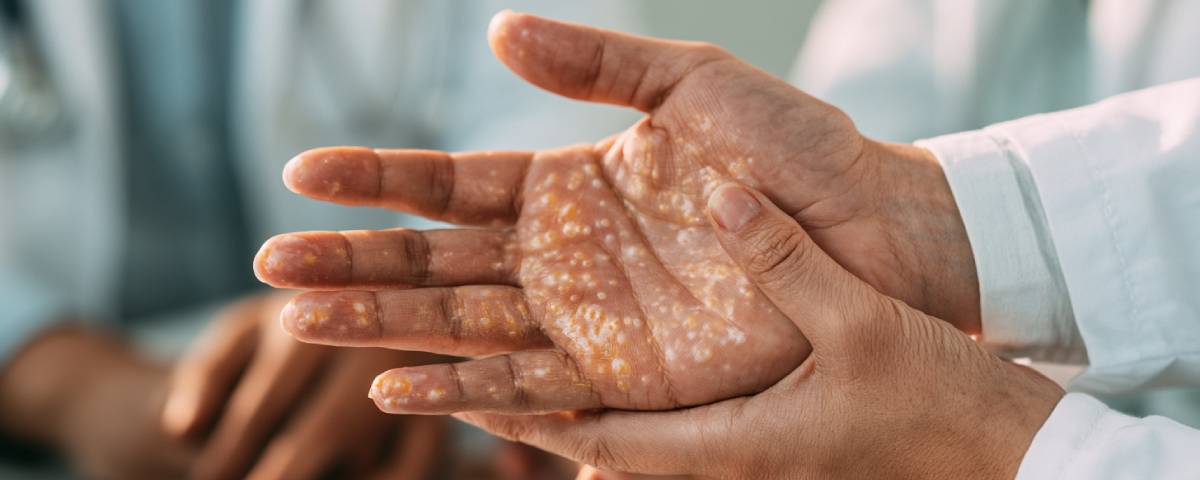
When patients receive a palmoplantar pustulosis diagnosis, many are told that it’s a “type of psoriasis”. And for a long time, researchers have also considered the burningly painful blisters on the feet and hands a rare psoriasis subtype, due to their similar characteristics. However, as dermatology research has advanced, it’s clear that the two conditions diverge, behaving in significantly different ways that can have a real impact on how PPP treatments work. As research into improved PPP disease treatment options (such as the dermatology clinical trials we are currently conducting at Apex Clinical Research Center) progresses, it’s clear that our understanding of PPP continues to evolve. Research into palmoplantar pustulosis has pinpointed meaningful differences that are influencing how scientists now study the disease. This, in turn, is opening new avenues for researchers studying potential PPP treatments.
Why PPP Has Historically Been Linked to Psoriasis
Palmoplantar pustulosis has been linked to psoriasis for many years, mainly because there are several shared characteristics. For example:
- Palmoplantar pustulosis and palmoplantar psoriasis are both chronic inflammatory diseases of the skin.
- Both conditions involve immune system dysfunction that contributes to inflammation of the skin.
- The plaques and scaling look similar and appear in the same areas: the soles of the feet and the palms of the hands.
- There are also some overlapping genetic and inflammatory pathways they both share.
Many patients with PPP also have plaque psoriasis—however, many more patients with PPP do not. In fact, less than a quarter of patients with PPP also have psoriasis. Although the two conditions have historically been linked, the fact that many patients with PPP do not have psoriasis is one of several differences that has drawn attention in dermatology research. Learning more about that gap and why it exists is changing the way researchers approach PPP clinical trials. This shift could help us develop more effective, precisely targeted PPP disease treatment options.
What Researchers Are Learning Makes PPP Different
The similarities between palmoplantar pustulosis vs. palmoplantar psoriasis are meaningful, but they clearly do not tell the whole story. Dermatology research continues to uncover evidence that PPP has distinct disease processes that differentiate it from psoriasis.
1. Palmoplantar Pustulosis and Psoriasis Have Different Inflammatory Pathways
Ongoing dermatology research has revealed additional gaps between the inflammatory pathways of PPP and psoriasis vulgaris. One of the largest studies ever into the differences between palmoplantar pustulosis vs. palmoplantar psoriasis examined certain genetic mutations in several key areas between psoriasis and PPP. The study discovered that although they each had some overlap in their inflammatory pathways, there were enough differences between the two to suggest that treating them as separate diseases is warranted. In fact, Japanese clinicians and researchers already work under this assumption. This underscores the need for additional, focused palmoplantar pustulosis research.
2. PPP Behaves Differently
Both palmoplantar pustulosis (PPP) and palmoplantar psoriasis (PPso) emerge on some of the most difficult skin surfaces to treat: palms of the hands and soles of the feet. However, the clinical presentations of each skin disease differ enough to merit attention from researchers seeking better PPP disease treatment options. For example:
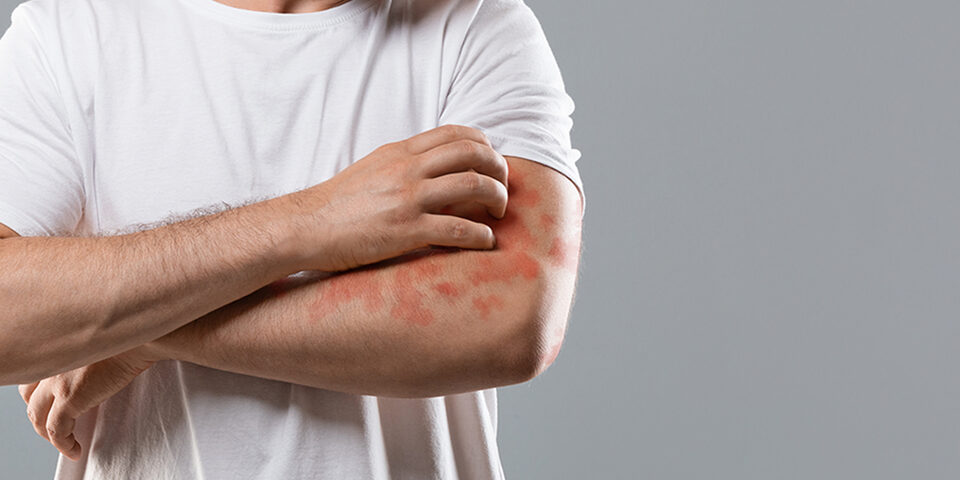
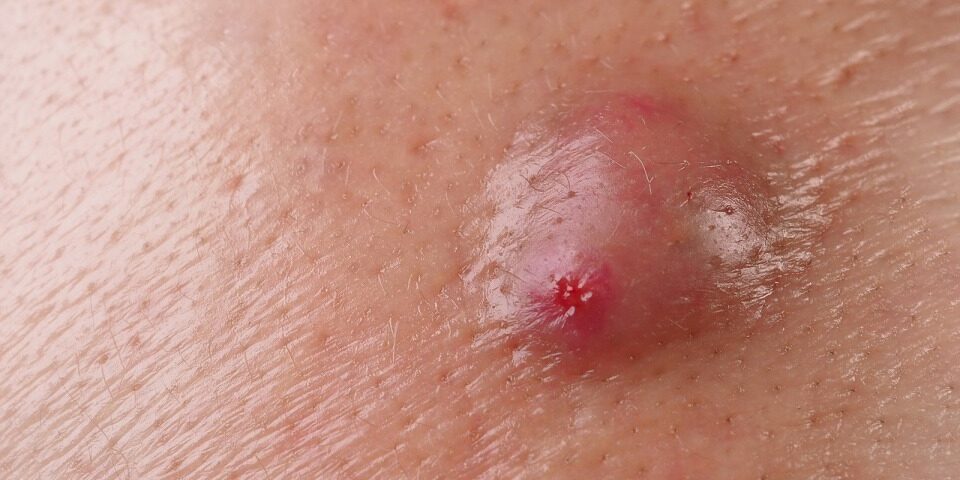
- PPP presents with pus-filled, sterile blisters, whereas PPso presents with thick scaly plaques in the same areas.
- PPP blisters appear white or yellow on the top with a reddish, inflamed base, but PPso plaques appear yellowish or silvery over red, inflamed skin.
3. Disease Progression and Flare-Up Patterns in Palmoplantar Pustulosis vs. Palmoplantar Psoriasis
PPP and PPso also differ in the course of how they flare up and progress from one stage through the next:
- PPP blisters can sting and burn. On the other hand, PPso plaques can crack and bleed.
- PPP often occurs in a cycle every few weeks, going from blisters, to drying, and then crusting before a new cycle repeats. With PPso, months-long flares and remissions are chronic and slow-moving.
- Finally, PPP blisters primarily affect the hands and feet, but PPso may also coexist with additional psoriasis plaques on other body parts.
4. Different Triggers
Finally, although stress can trigger both PPP and PPso, these skin diseases have different triggers. For example, smokers are 32.7 times more likely to develop palmoplantar pustulosis. The longer and more frequently a patient has smoked increases their risk factor significantly. Patients with PPso have more flare-ups during cold weather or when the skin experiences friction or other trauma.
A Key Indicator: PPP Disease Treatment Responses Differ
It’s also clear from historical data that palmoplantar pustulosis responds differently than palmoplantar psoriasis to the same treatment regimens. PPP patients report less relief from psoriasis treatments. These important differences indicate that palmoplantar pustulosis research should focus on understanding PPP as a separate condition, with unique treatment requirements.
Why Some Psoriasis Treatments Don't Always Work for PPP
Up until recently, PPP has often been treated with the same medications and protocols as psoriasis. Studies have shown that patients with PPP can continue to experience greater disease burdens and lower quality of life scores than those with plaque psoriasis. Specifically:
- Itch scores in PPP patients were 42.2 compared to 24.6 in PPso patients.
- Overall pain scores in PPP patients were 37.5 compared to 13.8 in PPso patients.
- PPP patients had to miss work more often because of their condition compared with PPso patients.
- PPP patients experienced higher levels of daily impairment (32.4% compared with 13.0% in PPso patients).
Clearly, the substantial disease burden experienced by PPP patients, along with differences in treatment response, reinforces the need for disease-specific dermatology research.
How This New Understanding Is Changing Research
This is why Apex Clinical Research Center is running dermatology clinical trials that specifically focus on investigational treatment possibilities for palmoplantar pustulosis. Discoveries about immune pathways specific to PPP, including misfiring within the cytokine Interleukin-17 family, are providing new clues about how this skin disease works. Understanding PPP’s unique biology can help inform better clinical trial design and the study of more targeted PPP disease treatment options. Tightening the focus of our dermatology research on the specific inflammatory pathways of PPP is also providing new patterns for dermatology research into other rare diseases.
Why Dedicated PPP Clinical Trials Matter
Rare diseases like palmoplantar pustulosis require and deserve dedicated research. The more we understand about the deeper, more specific underlying immune and inflammatory pathways that trigger rare skin diseases, the more tools researchers may have to investigate new, targeted therapies that go beyond what’s currently available. Dermatology clinical trials can help us answer remaining questions while also providing more insight into how we can provide relief for more patients. And patients who choose to participate in PPP clinical trials can take part in this journey of advancing research that may help inform future care.
Learn More About Dermatology Clinical Trials for Palmoplantar Pustulosis
Although PPP shares similarities with psoriasis, ongoing dermatology research has revealed critical differences that need to be addressed. These discoveries are reshaping how researchers approach dermatology clinical trials to develop more effective PPP disease treatment options. If your palmoplantar pustulosis is not responding well to your current treatment regimen, reach out to your dermatologist about emerging research opportunities, including participating in clinical trials at Apex Clinical Research Center. If you have any questions about participating in clinical trials, please reach out to us today.