
ACRC in the News: Advancing Palmoplantar Pustulosis Research
October 21, 2026
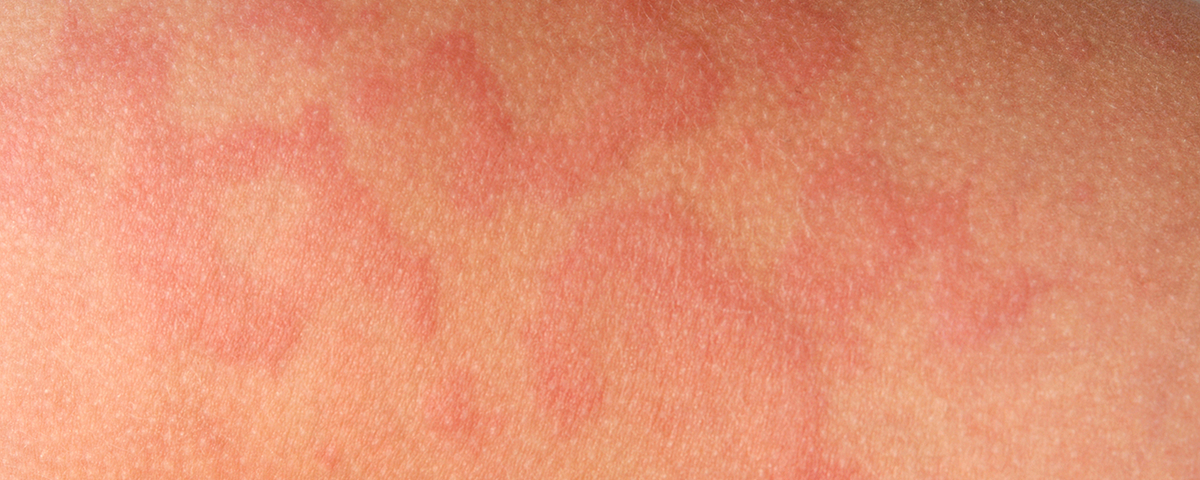
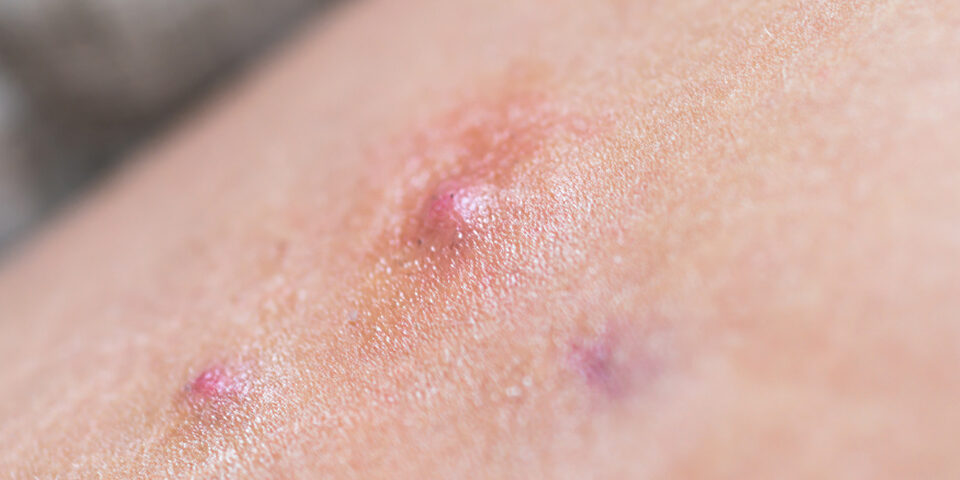
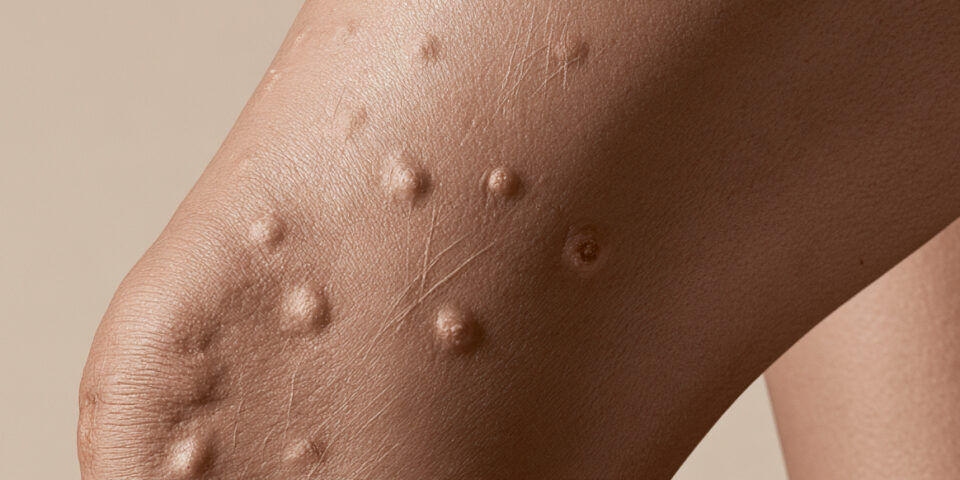
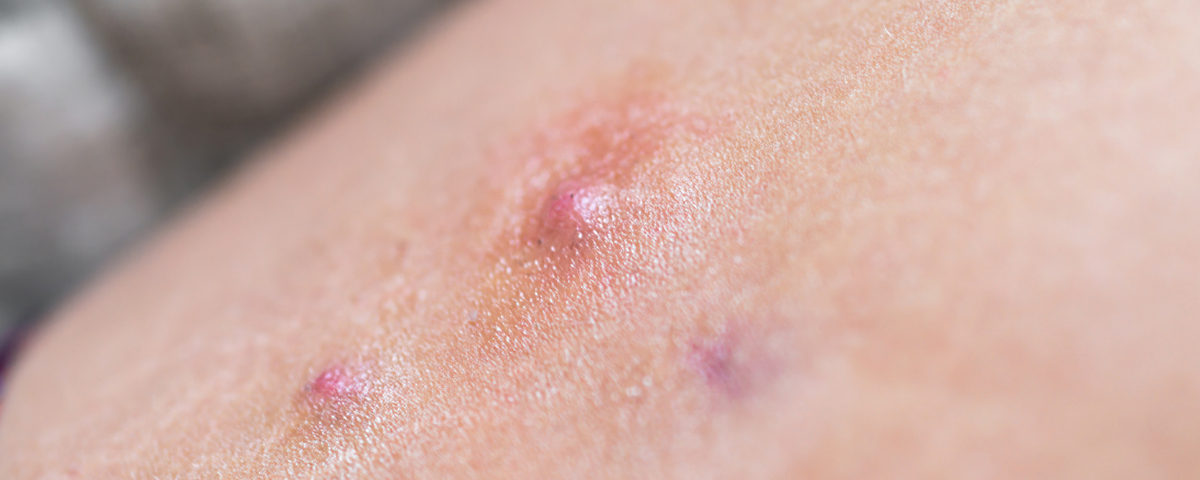
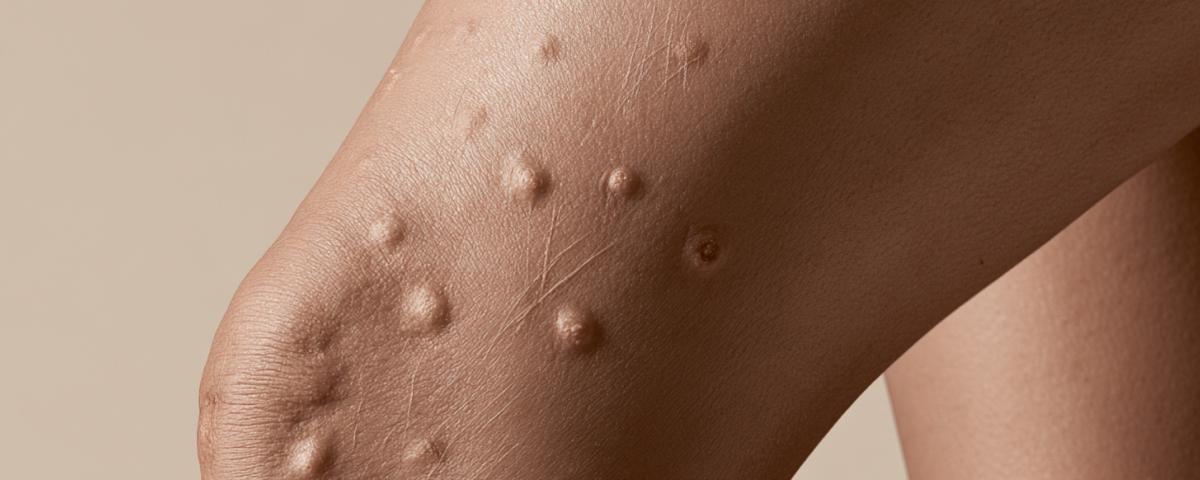
When someone develops itchy, red hives, it’s natural to ask, “What am I reacting to?” The answer to this question becomes more complicated for patients with chronic urticaria, whose itchy hives recur over weeks, months, and even years at a time. Many cases of chronic spontaneous urticaria (CSU), also called chronic idiopathic urticaria, however, have no identifiable environmental allergen, food product, or other known trigger. This mystery only enhances the irritation patients have to deal with while trying to find symptom relief.
The terms “spontaneous” and “idiopathic” do not mean that the hives have no biological cause, however. Rather, the processes causing the chronic hives may originate within the body’s own immune system, instead of being tied to obvious external triggers. At Apex Clinical Research Center, we’re preparing for a clinical trial investigating a potential treatment for chronic urticaria. This research could help advance treatment options for people whose chronic hives remain difficult to control.
Chronic Hives Aren’t Always an Allergic Reaction
The immune system is designed to spring into action to attack harmful viruses, bacteria, and fungi by mounting inflammatory responses to eliminate the threat. During an allergic reaction, the body’s immune system misfires with an inflammatory response to defend itself against triggers that are not inherently harmful, such as pollen, pet dander, soap ingredients, certain foods, etc. In the case of chronic spontaneous urticaria, however, patients suffer recurring, long-term hives for no reason, or at least no apparent external reason that they or their dermatologists can easily discover.
Exhausted patients may repeatedly search for answers by eliminating foods, scented personal care products, and detergents with potential irritants—or by avoiding pet dander and seasonal pollen allergens—all to no avail. Although some people with chronic idiopathic urticaria have also been diagnosed with allergies, their chronic hives don’t always seem to be connected to exposure to their allergens, so they cannot clearly attribute their hives to those triggers. Although anywhere from 7% to 30% of patients with chronic urticaria can occasionally identify a trigger, many others still struggle with the question, “Why do I keep getting hives?”
What Is Happening Beneath the Skin When Hives Appear?
The answer to this question lies within the body’s mast cells. Mast cells play an important role in the body’s immune defenses. When activated, they release histamine and other inflammatory substances. In people with CSU, these cells can become activated repeatedly without an identifiable external allergen.
It is frustrating for patients to feel like they keep getting hives for no reason. However, there is a real biological immune system process under the skin causing the chronic hives and persistent itch. As dermatology research reveals more about chronic hives causes, it’s clear that issues within the immune pathways associated with mast cell malfunctions are part of that biological process.
Why Do Mast Cells Activate Without an Obvious Trigger?
This is where CSU becomes more complex. Researchers are continuing to investigate why mast cells become activated inappropriately and repeatedly in different patients. So far, there is evidence that autoimmune mechanisms may play a role for some patients, with the immune system producing signals that can contribute to spontaneous mast cell activation. Research suggests that autoimmune mechanisms may be involved in more than half of chronic spontaneous urticaria cases, although the specific immune pathways can vary between patients.
Variations in how these immune signaling malfunctions occur also exist between CSU patients. In other words, the mast cell activation that causes chronic hives does not always emerge via the same pathways for every patient. This biological variability may help explain why two people can have similar recurring hives without having the same identifiable triggers or underlying immune activity.
Some potential autoimmune mechanisms researchers are investigating include genetic factors that make someone more susceptible to developing CSU, and potential connections with other autoimmune diseases such as diabetes, lupus, vitiligo, celiac disease, thyroid disease, rheumatoid arthritis, and dermatomyositis.
Expanding on the idea of this variability between patients with chronic spontaneous urticaria, this condition also comes in different subtypes. Patients can have one or the other, or both at the same time:
- Type I autoimmune (autoallergic) CSU: Involves IgE antibodies that recognize substances within the body’s own tissues, potentially triggering mast cell activation.
- Type IIb autoimmune CSU: Involves other autoantibodies that can activate mast cells through specific immune receptors. This subtype is often associated with more severe disease.
Dermatology research needs to focus on these tricky immune signaling differences between patients with both subtypes so that solutions can be found in both cases.
Why Do Certain Things Seem to Trigger a Flare?
There is also an important distinction between the underlying disease processes in the mast cells and other factors that can worsen or provoke symptoms, although they don’t count as chronic hives causes themselves. For example, heat, pressure, stress, and hormonal fluctuations may worsen symptoms for some patients, even though they are not the direct causes of CSU. This is why a patient may notice patterns during flare-ups but still be unable to identify one consistent cause. This is another reason chronic urticaria can feel so frustrating and unpredictable.
Why Chronic Urticaria Can Be So Difficult to Control
When the immune activity responsible for CSU continues, avoiding suspected triggers may not be enough to prevent hives from returning. Ongoing chronic spontaneous urticaria research is critically necessary to help untangle the different mast cell signaling malfunctions at work across different populations of patients. New CSU treatments may be developed to target these underlying immune pathways and help reduce symptoms.
What Researchers Are Learning About Chronic Spontaneous Urticaria
The latest research on chronic urticaria focuses on the immune cells, receptors, and inflammatory pathways beyond just the visible hives. By understanding which pathways are involved, researchers can investigate new approaches for people whose symptoms remain out of control. Clinical trials give patients and researchers opportunities to evaluate how investigational treatments work and learn more about how CSU subtypes respond when specific biological pathways are targeted.
Chronic hives without an obvious trigger are not hives without an explanation. Researchers are learning more about the immune activity behind CSU, including why mast cells become activated and why some patients struggle to control their symptoms.
For people living with chronic spontaneous urticaria, continued research offers hope for more targeted treatment options. Apex Clinical Research Center is preparing for an upcoming CSU clinical trial. Visit our Current Studies page for updates or contact our team to learn more about clinical research participation. You can also sign up for Study Announcements at the bottom of this page so you’ll be alerted when the CSU study opens.